Our Approach
Improving Board Effectiveness
Improving Board Effectiveness
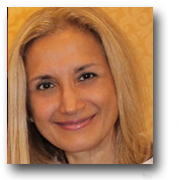
Dr. Lola Gershfeld PsyD
The approach that we use is based on works of Carl Rogers, Salvador Minuchin, and research of Dr. Susan Johnson and Dr. Rebecca Greenberg. The approach focuses on creating emotional safety in the boardroom. It is particularly effective in creating board cohesiveness and improving board decisions.
As humans, we are designed to thrive in safe environments. Cooperation and trust comes from having a secure bond with each other. If you know you have each other’s back, that someone will respond when you call, and you feel important to the board, you feel more confident. This means that you will feel stronger for whatever is coming at you. Research shows that the more secure and safe you are in your group, the stronger and more cohesive, as a board, you will be.
By using the emotional-focused approach, we help board members identify the underlying emotional signals, naming it and formulating clear messages so it never becomes too overwhelming. Research shows that emotion tells us what really matters to people and their needs in a relationship. Emotions organize how people interact with each other on a very basic level. When we get overwhelmed, the cognitive part of our brain slows down, making it difficult for us to collaborate and work with each other.
Emotion comes from the Latin word “to move.” Research shows us that emotion is a basic motivating force. It sort of pulls us to move in particular kinds of ways. By paying attention to the emotional cues, board members are able to maintain their interaction in collaborative and engaged style, creating safety for themselves and others on the board.
These are some frequently asked questions Dr. Gershfeld has been asked about the emotional-focused approach.
How did you come up with this idea of bringing emotions into the boardroom?
Serving on a board sort of led me to it. I was a director at a private company where we had a total of eight directors. Our board meetings were often long, draining, and unproductive. First, I was a little dismayed at how difficult our board seemed to be because we were kind of stuck and I found it quite difficult.
But after a while, I started to pay attention to the interaction pattern that we had and began to experiment in ways to make a change. This experimentation started to get really fascinating.
Imagine yourself sitting in one of your meetings and observing of how people interact. By paying attention to the emotional cues of how people communicate, you begin to see the pattern of your meetings and how the emotions immediately organize that pattern among directors.
Research now is really saying the same thing–that emotional engagement and communication is what defines people’s trust in the relationship.
How does it apply to cultural differences?
If you look across cultures, there are certain basic emotions that are seen everywhere. Researchers have come up with six basic emotions across cultures: happiness, fear, sadness, anger, disgust, and surprise. But how it’s expressed, and the rules around expression, are different. For example, some cultures use shame more in their interactions than others and some withhold from sharing emotions all together.
Emotional-focused approach is a highly collaborative method. We work with the client to help identify, slow down, and name the interaction cycle. Just naming it, helps people to get unstuck.
What are steps that you would use when you work with a board?
The first step is to collect the information through observing a board meeting or conducting interviews. In this stage we focus on identifying the roles that board members play and the pattern by which they interact with each other. In this process we identify where they get stuck.
Stage 1: Reviewing Current Board’s Interactional Cycle
The first stage we look at the emotional realities that underlie and organize their interaction. We then, with the help of the client, we get a sense of the issues that board members experiencing, accessing underlying emotions, re-frame the problem in terms of the negative pattern, and help to slow down the process which help to create safety in the boardroom. There are four steps in this stage:
Step 1: Understanding the current process and interaction difficulties.
Step 2: Identifying and developing awareness of the ineffective board interactional cycle.
Step 3: Understanding the underlying emotions that contribute to the ineffective board interaction.
Step 4: Becoming aware of the problem in terms of the negative cycle and identifying safety needs.
Stage 2: Restructuring Interaction – Developing Board Cohesion
The second stage is about restructuring the bond and trust by creating responsiveness. In this stage, we help the client to identify fears and triggers that cause the emotional disconnection. We start to create new patterns of interaction through helping the client to stay accessible, responsive, and engaged. This acts as an antidote to the negative cycle–and new patterns of interaction that aren’t just new and different, but are specifically creating a more secure and trusting bond between board members start to occur. This stage of the process includes three steps:
Step 5: Aligning the board with the company’s vision, mission, and core values. Integrating these congruent views into board interaction.
Step 6: Encouraging board members to become more accessible, responsive, and engaged.
Step 7: Creating emotional connections through new positive board interaction experiences.
Stage 3: Consolidation & Integration
The last stage is consolidation and integration. In this stage, we facilitate the emergence and consolidate new solutions to differences and note the changes that the directors have made throughout the process. We bring to the awareness how they have aligned themselves to the common vision, mission, and core values of the company and created a new secure bond with each other. This reinforces the idea that together we are stronger. Consists of two steps:
Step 8: Practicing new interaction responses to address differences and challenges.
Step 9: Consolidating new effective board interaction, reinforcing safety, and maintaining emotional connections.
Going through these three stages, board members are able to experience a real coherent image, story, and a new version of how they managed to move from a negative cycle that caused so much emotional distress for them into a more positive cycle of safety, bond and trust.
What is the average length of time that you work with a board?
It usually takes about 12 – 18 months to start seeing the shift but it depends a lot on the board culture, its leaders, the size of the board, the level of distress and functionality, and the leap of faith that directors are willing to extend to the process. We tend to be flexible and sensitive to the needs of each board.
Some of the distressed boards may take between 2 – 3 years. Those boards often have other issues to deal with.
Is there any kind of assignments you give, or is this more of a dynamic approach?
The assignment might include for board members to notice when they get stuck in the cycle or if they notice a time when it’s very hard for them to interact. We might also use surveys and tools that help directors become more aware of their emotional experience in the boardroom.

Dr. Lola Gershfeld PsyD and Gene Goda
What kinds of techniques do you use that are significant or unique to this approach?
Well, basically if you look at the basic techniques, what you’re going to see is we identify the emotion behind their concern and reflect it back to create alliance and understanding so that they can feel safe of expressing their concerns. It helps people organize their experience so that they grasp it, deal with it, and put shape and form to it.
Sometimes, we might take a particular emotional response and work with it to help them become more aware of it. We try to use a familiar language, using images and metaphors whenever we can, asking questions to help the client expand their emotional experience.
During the board meeting, we track interactions, identify their cycle, and then create a new positive and safe cycle of interaction. With those steps we help board members process the emotions they experience and work to maintain positive cycles.
Where you see this going in the future?
Well, the research on emotions is very promising and encouraging. Right now we are trying to look at impasses in interactions. We’ve identified a certain impasse that we call an attachment injury, where someone has basically been abandoned at a time of need. Instead of withdrawing and abandoning the board, we are looking to understand how that impasse comes up in interaction and how we can help directors work through it so they can reconnect to their board.
The way we understand it is if you do actually help people create a more secure emotional bond, it has a self-maintaining effect on the company, as a whole. Secure emotional bonds are an antidote to dysfunctional boards, and it helps board members maintain the change that they have created as well as make positive impact on the company’s culture and performance.
How does an emotional approach work with a CEO or Chairman who is autocratic or has a short temper?
When we evaluate the interaction cycle on the board, we view each interaction through the lens of attachment theory. When a person is unable to send clear messages about their feelings or identify their internal emotions, we help that person to expand their narrow, rigid, or angry responses into talking about other feelings so they can create new kinds of interactions with their fellow board members and the executive team.
In other words, if a person sees every problem as a nail, all he is doing is using his hammer. When the person feels safe to experience other ways to look at the problem, they begin to be more open and flexible in their views. Research shows that angry, coercive people are less able to recognize their emotions and get easily overwhelmed with sense of fear and anxiety. The way they deal with it is by becoming angry or shut down to regain a sense of safety.
So, what we do is follow the sequence of interactions and finding the circular cycle of how the board gets stuck in a cycle.
Then we move into the realities of how safe they feel with each other, how can they connect, is there any security in the relationship, and to move into a little bit into underlying feelings, particularly with those that feel insecure, to see if we can expand that into some of the feelings that they can’t talk about, some of the more vulnerable feelings.
We end up with moving people past the reactive emotional stances into their softer, more vulnerable, trust-related feelings and needs. This process restores safety into the boardroom and trust among all board members.
Dysfunctional Boards are Bad for Business!
Learn what board dynamics are and how they impact the effectiveness of your board.
